
LIFEGUARDING
MAKE A DIFFERENCE IN YOUR COMMUNITY
Looking for a fun, flexible, AND rewarding job? We are currently accepting applications for Swim Instructors and Lifeguards! Applicants at all skill levels are encouraged to apply, and training and support are available for all applicants interested in beginning their aquatic career at the Y!
YMCA Lifeguards not only learn valuable skills such as first aid, CPR, AED use, and in-water rescue, but they also develop leadership qualities, communication, team building skills, and improved self-confidence.
Lifeguards Needed Year-Round: Part-Time and Full Time
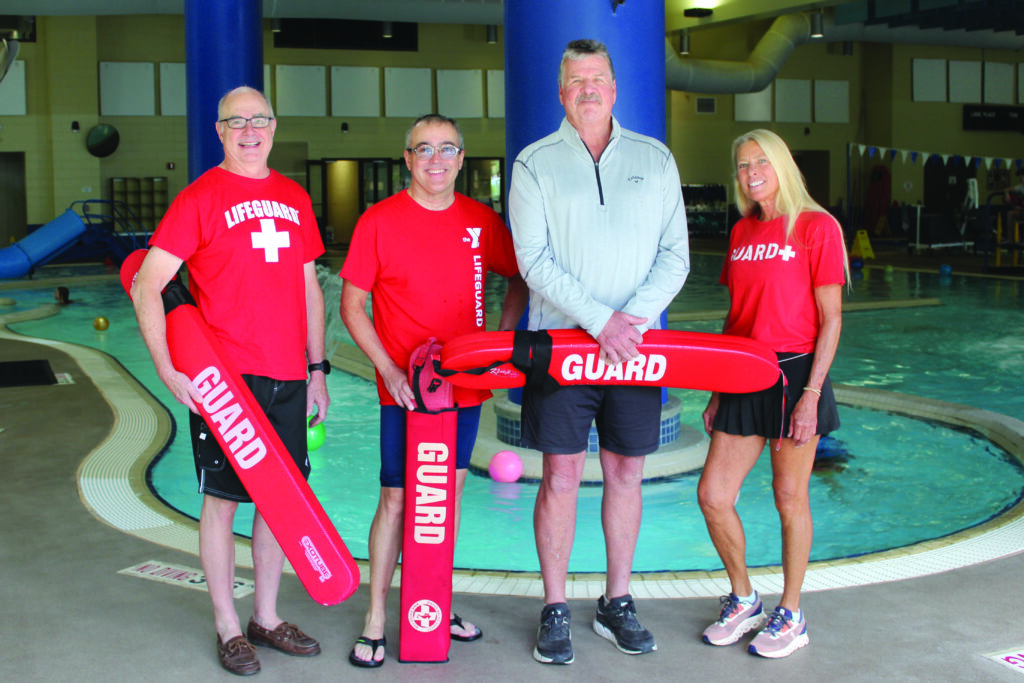
Committed to Safety
At the YMCA, safety is our top priority. We are deeply committed to training our lifeguards to the highest standards through rigorous, nationally recognized certification programs, hands-on instruction, and ongoing safety and skills checks. Our comprehensive training ensures that every lifeguard is prepared to respond swiftly and effectively in emergencies, protect all swimmers, and maintain a safe, welcoming environment for everyone in and around the water.
When you see a YMCA lifeguard on duty, you can trust they’re trained, capable, and ready to keep our community safe.
Lifeguard FAQs
What certifications do I need to become a lifeguard?
To become a lifeguard at the YMCA, you must complete a nationally recognized lifeguard certification course. This includes training in water rescue skills, CPR for the Professional Rescuer, Basic Life Support (BLS), First Aid, and Emergency Oxygen use. Our Lifeguard V7 course with Waterfront and Waterpark options covers all of these.
How old do I need to be to become a lifeguard?
Participants must be at least 16 years old by the last day of the course to be eligible for lifeguard certification.
Do I need to be a strong swimmer to be a lifeguard?
Lifeguarding requires strong swimming skills. All participants must pass a swim and water skills pre-test, which includes a 550-yard continuous swim, treading water without using arms, and underwater rescue scenarios.
What can I do with my lifeguard certification?
With your certification, you can work at pools, lakes, rivers, beaches, and waterparks—depending on the type of training completed. The YMCA’s course prepares you for a wide range of aquatic environments, making you job-ready for many facilities.
Is being a lifeguard just about watching the water?
Not at all! Lifeguards are highly trained professionals responsible for preventing accidents, responding to emergencies, enforcing safety rules, and ensuring all guests enjoy a safe aquatic experience. Becoming a lifeguard is a leadership role that requires focus, responsibility, and quick decision-making.